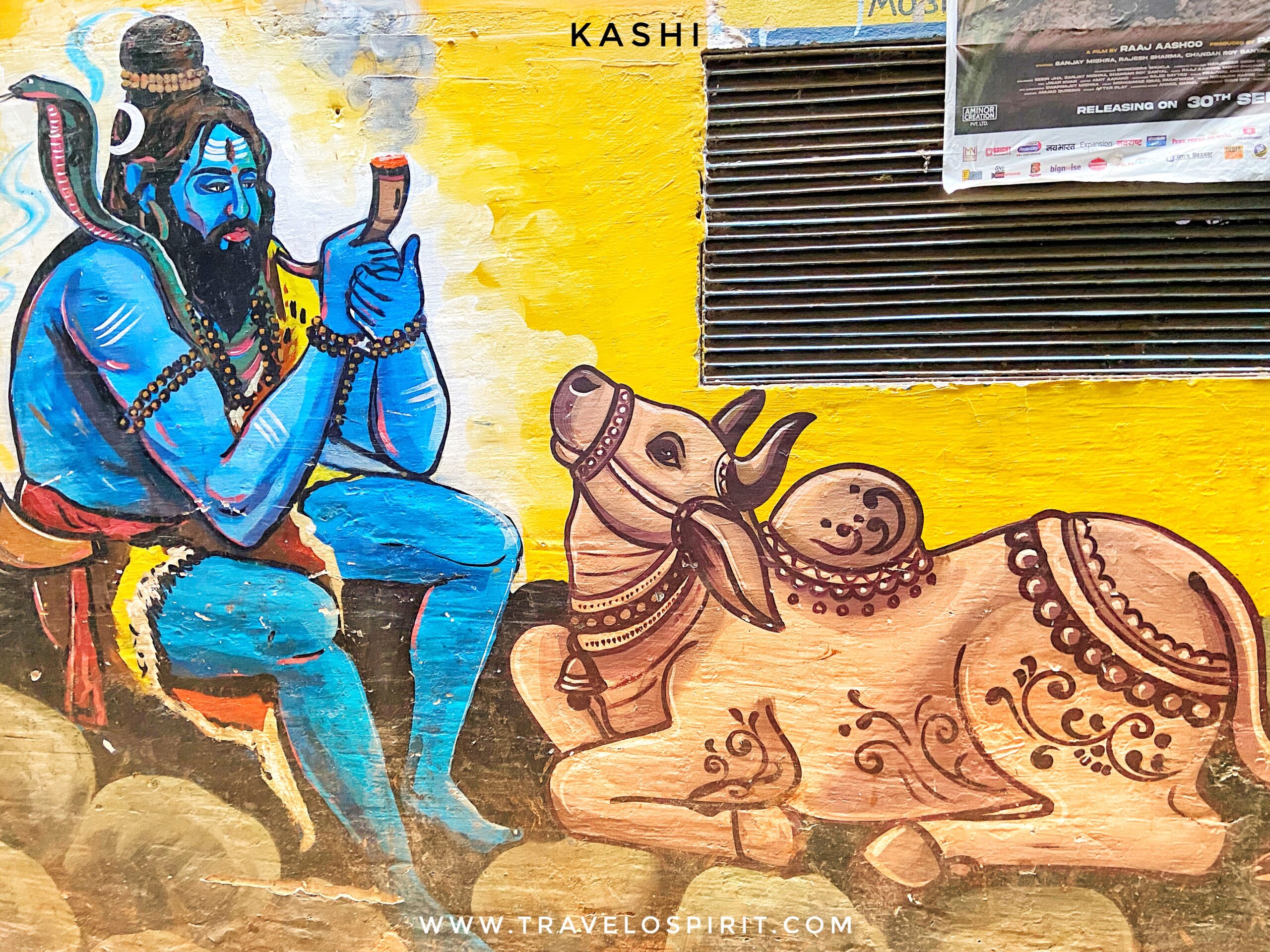
Maha Shivratri, also known as the Great Night of Shiv, is Kashi’s most important celebration of the year. It is celebrated on the moonless night of the new moon during Phalgun Maas in the North Indian Hindu calendar, however the same day is regarded to fall in Maagh Maas Krishna Paksh in the South Indian Hindu calendar. Though the thirteenth or fourteenth of each lunisolar month of the Hindu calendar is a Shivratri, but the one occurring in late Winter and before the onset of Summer (February/March) has the most spiritual significance.
Why is Mahashivratri Celebrated?
There are multiple legends around the significance of this day.
One such common story is Lord Shiva’s marriage to Parvati (Shakti), which marked their sacred union.
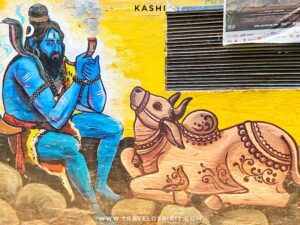
Another story describes a time when the Gods and demons churned the ocean together; however, before they could collect nectar from the ocean’s depths, a pot of poison appeared. Lord Shiva ingested the poison, rescuing both God and humans. He drank it rather than consuming it, and the poison became trapped in Lord Shiva’s throat, which is why it appears blue. Shivratri is celebrated for an array of reasons, including honouring him and this incredible event.
Another tradition states that Goddess Ganga fell from the heavens. Lord Shiva captured her in his matted locks and released her as streams of water on Earth. This event saved the destruction of the Earth and all living things. As a result, on Mahashivratri night, devotees bathe the Shivalinga and pray while staying awake whole night.
Maha Shivratri literally translates to ‘The Great Night of Shiva’, and it is on this night that Lord Shiva performs his heavenly dance known as ‘Tandav’, which represents creation, preservation, and destruction.
This auspicious day commemorates the triumph over darkness and ignorance in life and around the world. MahaShivratri is regarded fortunate because it is believed to be the night of confluence of Shiva and Shakti (Parvati), which is the union of masculine (Shiva) and feminine (Shakti) forces that balance the world.
To obtain Lord Shiva’s blessings, devotees fast for the entire day and meditate. The constellations’ position on the night of Maha Shivratri is considered auspicious for meditation; therefore devotees stay awake and meditate.
Lord Shiva and Goddess Parvati Marriage Celebration in Kashi
This festival is associated with numerous popular legends. But, as previously said, the most important of all is the wedding of Shiv and Parvati. On this particular day, two devotees costume up as Shiv and Parvati, and all the followers dance behind them.
It’s not just a one-day celebration, in fact all of the other wedding customs at Kashi Vishwanath temple are carried out with grandeur and a series of festivities. The Mahant Family of the temple performs the wedding ceremonies such as Tilak on Basant Panchami, Haldi one day before Mahashivratri, marriage on Maha Shivratri, and Gauna on Rang Bhari Ekadashi. All ceremonies are performed on a silver idol of Lord Shiva with five heads and Parvati standing by him.
The Mahant Family possesses two ceremonial idols of Kashi Vishwanath: one for Mahashivratri and another for Rang Bhari Ekadashi. Finally, the Mahant performs Kanyadaan following the wedding. Along with the customs, a unique Shringar is performed on this day, concluding in the Lord’s Jhoola Shringar.
Shiv Baraat Ceremony
Shiv Baraat is the most remarkable sight to see in Kashi. The entire city of Varanasi participates in this parade. It basically reenacts Shiv and Parvati’s wedding ceremony. Jhankis or Tableau will be visible from beginning of the day. Hundreds of saffron-clad sadhus and Naga saints accompany the procession.
The morning parade begins at the Tilbhandeshwar temple and concludes at the Gauri Kedareshwar temple, where the idols of Shiv and Parvati are set up the day before the main event. The evening procession begins from Mrityunjay Mahadev Temple in Daranagar and ends at Kashi Vishwanath Temple.
This is one of the few sites in India where people dance in processions after drinking bhang (a sweet beverage made from milk and cannabis). Mangala Aarti is performed from 3 a.m. to 4 a.m., after which devotees get continuous darshan.
Rangbhari Ekadashi – The Onset Of Holi in Varanasi
In Varanasi, Rangbhari Ekadashi is observed on the eleventh day of the waxing moon in the Hindi month of Phalgun. It is a Hindu event that starts the festival of colours five days before Holi. It is popularly known as Phalgun Shukla Ekadashi in Northern India. It is the only Ekadashi dedicated to Lord Shiv, since the rest are related with Lord Vishnu. On the day of Rangbhari Ekadashi, Rudrabhishek, a special worship to Lord Shiv is held.
Rangbhari Ekadashi is also called Amalaki Ekadashi, Amla Ekadashi, or Amalaka Ekadashi. It is devoted to the amalaka or amla tree (Indian gooseberry), which is ritually venerated on this day. Lord Vishnu, who is worshipped on this day, is said to live in this tree.
Read More – Travel Guide To Kedarnath Yatra – FAQ
Significance of Rangbhari Ekadashi
According to tradition, Lord Shiv married Goddess Parvati on Mahashivratri and spent a few days at Parvati’s maternal home. Two weeks later, on Rangbhari Ekadashi, Mahadev brought her to Kashi for the first time since his marriage. Rangbhari Ekadashi marks the reuniting of Shiv and Shakti. Since it was Goddess Parvati’s first visit, all the Gods joined in the celebration and showered petals and hues from heaven on the newlywed couple. The Gauna ritual (a tradition in Uttar Pradesh and Bihar in which the bride returns to her husband’s family after marriage) and all of its customs begin a few days before Ekadashi. A day before the Ekadashi, the bridegroom arrives at the residence of Shri Kashi Vishwanath temple’s Mahant (head priest).
A parade is held every year on Rangbhari Ekadashi. Devotees energised with unlimited energy dance and play with hues. The procession begins at Mahant’s home in Tedhi Neem and concludes at the Kashi Vishwanath temple. The silver statues of Shiv and Parvati are carried on a palanquin to the main temple, which is a few yards distant. The two enter the main temple’s sanctum sanctorum for a special puja and prayers. As the procession rolls along, the small streets of Vishwanath Gali become jam-packed with people and colours. The next day of Rangbhari Ekadashi, Shiv goes to Masaan (Manikarnika Ghat) to celebrate the same Holi with his Ganas, ghosts, and spirits who live at the cremation ground known as Masaan ki Holi. The festivities continue in the city for the next six days, until Holi.
Lord Shiva and Goddess Parvati Wedding Ceremony Dates 2024:
- Tilak on Basant Panchami – 14 February 2024
- Haldi one day prior to Mahashivratri – 7 March 2024
- Weddding on Mahashivratri – 8 March 2024
- Gauna on Rang Bhari Ekadashi – 20 March 2024
- Masan Holi – 21 March 2024
- Holi – 24 and 25 March 2024