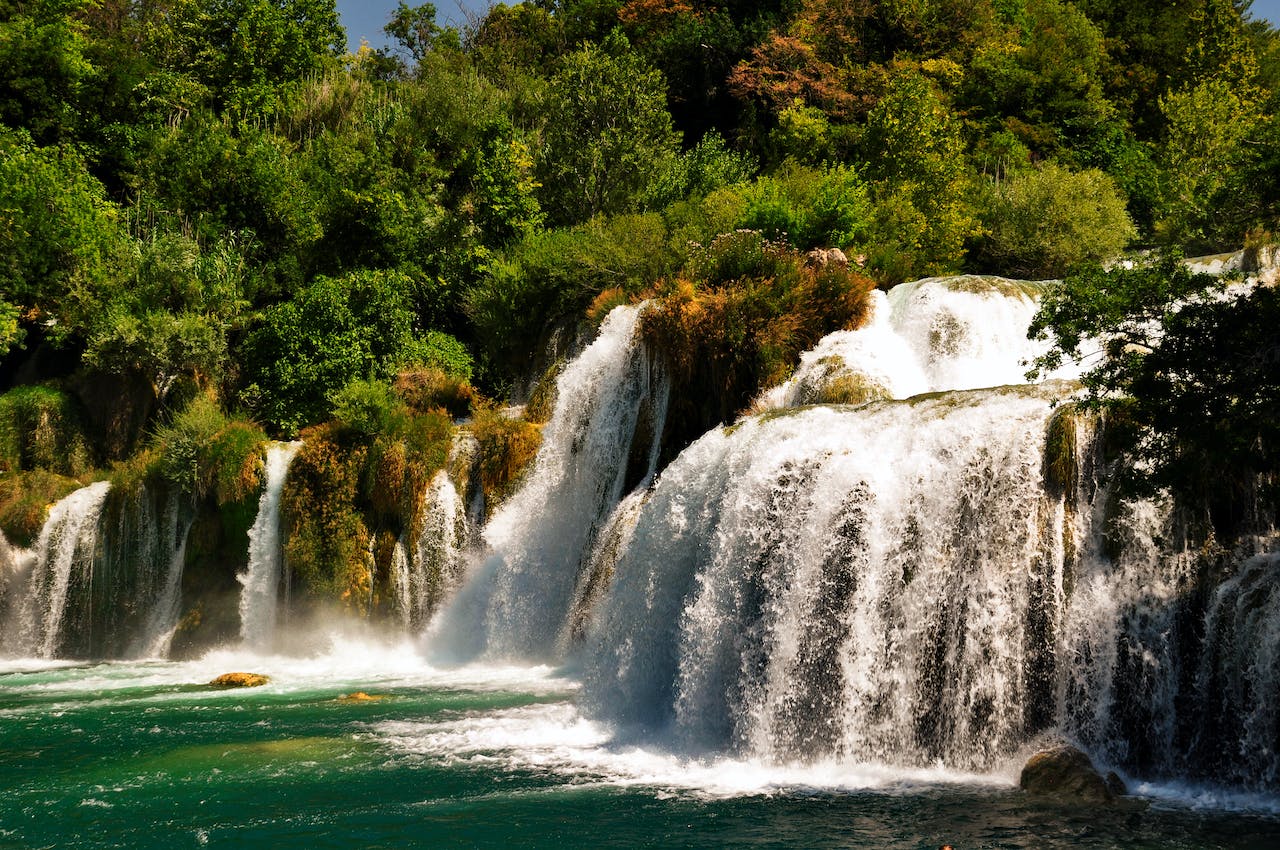
Between the waterfalls that flow into the sea and those that emerge from the ice glaciers, India is home to several stunning waterfalls where you may be engrossed in the sound of the water tumbling down the steps and filling your soul. The list of top waterfalls in India that ought to be cherished is provided below.
1. Jog Falls, Karnataka
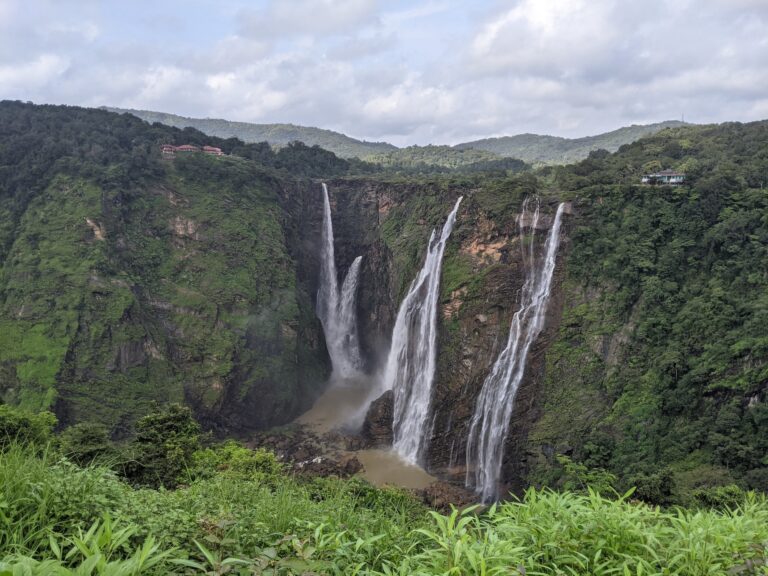
Jog Falls is considered one of the tallest waterfalls in our nation. It is situated in Karnataka’s Shimoga district, which is almost exactly in the middle of the state. Set against the backdrop of verdant forests, the spectacular majesty of the falls is created by the merging of the water from four distinct waterfalls, namely Raja, Rani, Rocket, and Rover. The Watkins platform offers the ideal vantage point for enjoying the vast panorama of these Indian waterfalls. You can also decide to hike to this location for a greater thrill and to enjoy the breathtaking scenery and the thunderous sound of water plummeting from a height of 253 meters.
Ideal Travel Period: June to September
2. Dhuandhar Falls, Madhya Pradesh
The Narmada River in India feeds this massive waterfall, which is undoubtedly one of Jabalpur’s greatest natural treasures. Situated 30 km from Jabalpur in the Bhedaghat area, the waterfall is surrounded by evergreen trees and plants. It is sometimes referred to as a “Smoke cascade” because of the strong water flow that mists the surrounding area. Though monsoon is the ideal season to enjoy the splendor of this waterfall, its special qualities make it flow massively all year round.
Ideal Travel Period: September to March
3. Dudhsagar Waterfalls, Goa
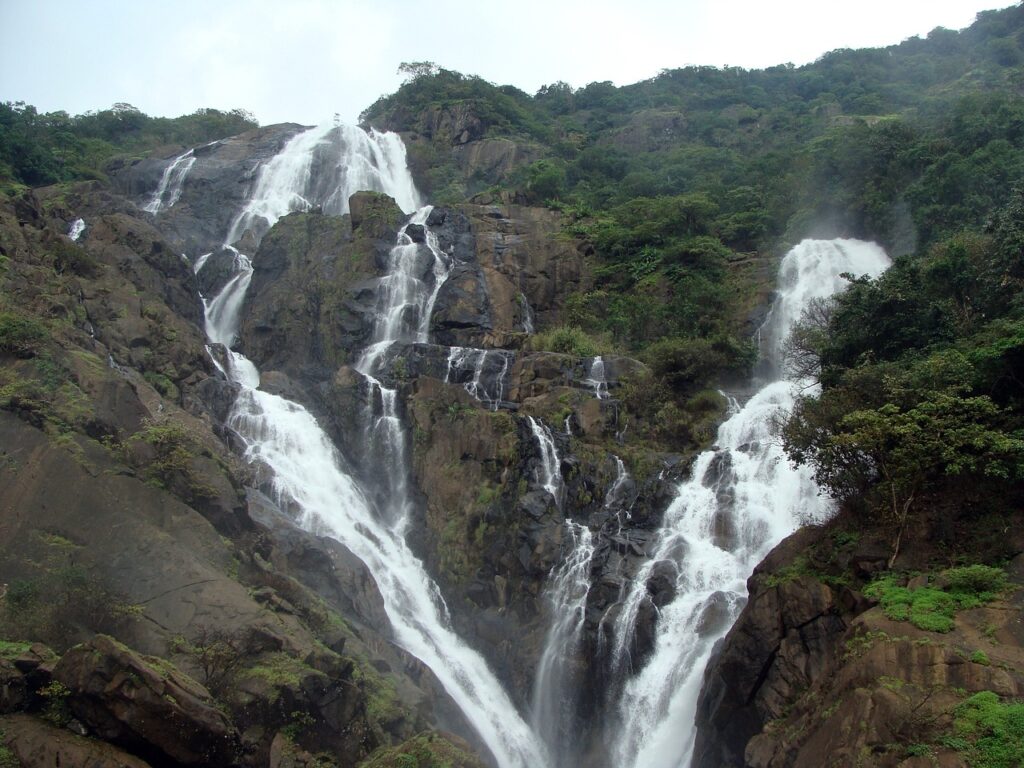
The Mandovi River in Goa is home to the Dudhsagar waterfalls. Based at an elevation of 1017 feet, Dudhsagar Falls is one of India’s greatest waterfalls. The falls are breathtaking, particularly when viewed during the monsoon season when the water is at its utmost. A beautiful sight is produced when water cascades from a height, forming clouds of creamy foam at the bottom. Nestled within a crescent-shaped valley covered with an abundance of verdant foliage, the falls provide an ideal honeymoon destination.
Ideal Travel Period: November to February, or in the monsoon
4. Chitrakote Falls, Chhattisgarh
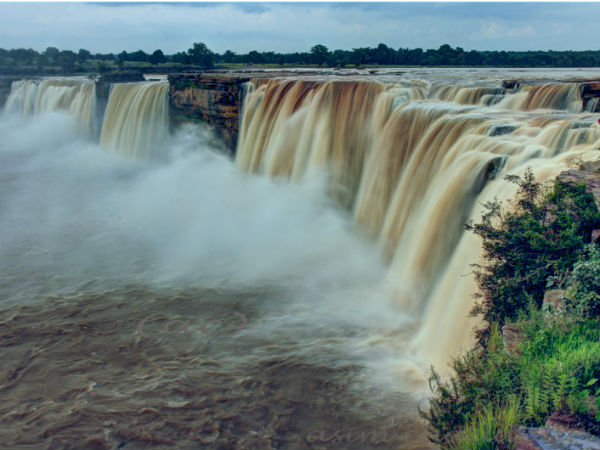
Chitrakote Falls, affectionately referred to as the “Niagara Falls of India,” is situated in Jagdalpur in the Bastar region of Chattisgarh. It’s India’s biggest waterfall. The waterfalls cascade down the surface from a vast height of 100 meters, reaching up to 150 meters during the monsoon. This waterfall’s main source is the Indravati River. The monsoon season is the ideal time to take in the splendor of waterfalls, as you can see the water’s majesty becoming somewhat turbulent. Chitrakote is also regarded as a Hindu pilgrimage place, drawing hundreds of worshippers who come to honor the god Hari.
Ideal Travel Period: June to October
5. Bhagsu Waterfalls, Himachal Pradesh
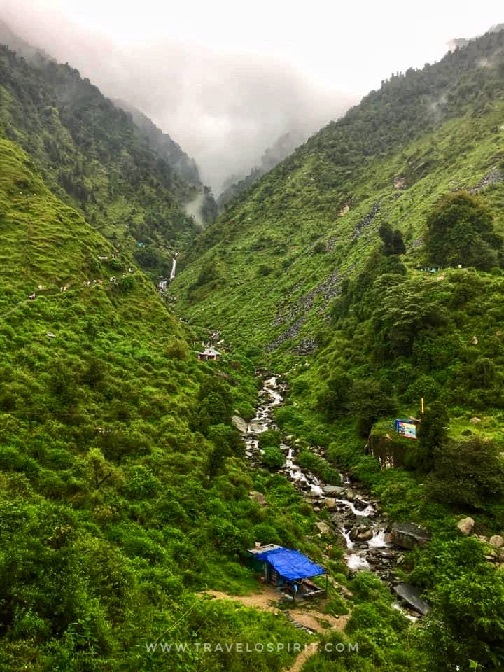
The Bhagsunag Waterfalls may not rank among the highest waterfalls in India, but adventure seekers will find this place to be quite enjoyable. Situated at a distance of 11km from Dharamshala, a freshwater spring surrounded by cliffs, trees, and Bhagsunag Temple at the base where people come to worship. The entire framework is breathtakingly gorgeous against the backdrop of the falling water. The small trek is required to reach the highest point of the Indian waterfall which makes the route thrilling and daring. To make the experience even more enjoyable, there is a cafeteria adjacent to the falls. They have delicious appetizers and steaming coffee.
Ideal Travel Period: March to October
6. Nohsngithiang Falls, Meghalaya
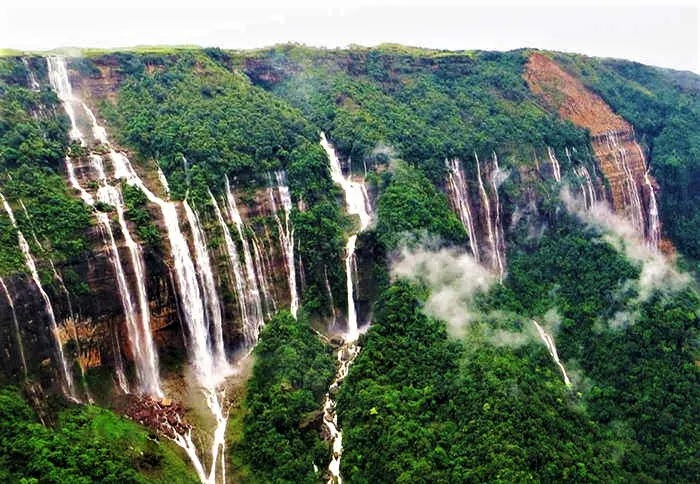
Situated in the wettest region of India, Nohsngithiang Falls, also called the seven sister falls, are named such because of the seven streams that cascade in succession, creating a stunning 70-meter vista amidst verdant trees. These falls can easily be ranked as India’s fourth-highest waterfall. The waterfall descends to the earth’s surface in a straight, unbroken stream from a height of 340 meters. The carvings made by the water’s force on the hillsides are what make the waterfalls so special. The waterhole is particularly striking because it stays blue throughout the winter and gracefully turns marine green in the summer.
Ideal Travel Period: Monsoon Season
7. Talakona Waterfalls, Andhra Pradesh
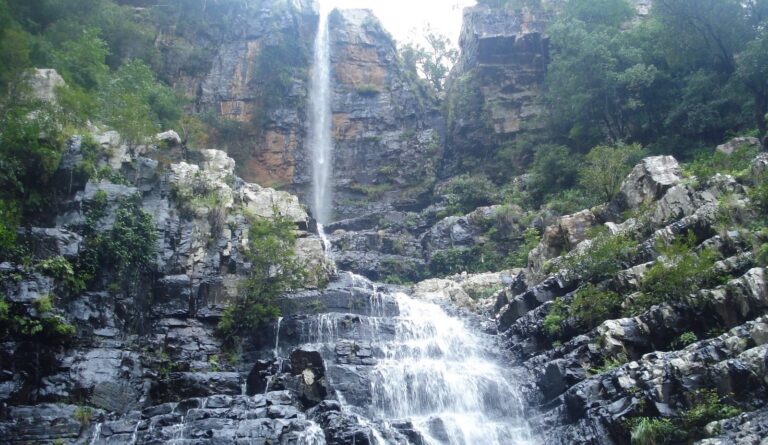
Nestled within the Sri Venkateswara National Park in Chittoor, this magnificent waterfall plummets from a height of around 270 feet into a plunge pool. The verdant, refreshing surroundings make the waterfalls visually pleasing and invigorating. There is a legend that the waters of these falls are enhanced with medicinal herbs. Talakona Waterfalls was declared a biosphere reserve in the past due to the wide range of plant species that can be found in this area.
Ideal Travel Period: September to February
8. Bhimlat Falls, Rajasthan
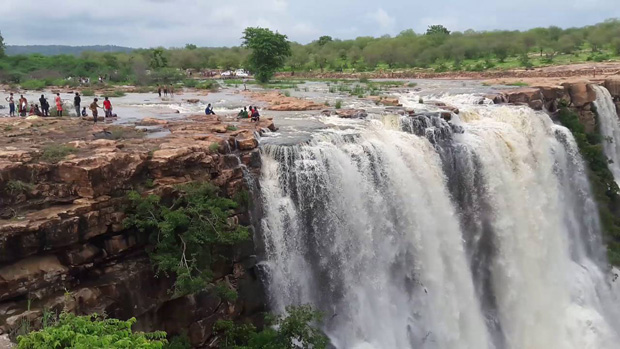
It is easy to refer to Bhimlat Falls as an oasis in the middle of the desert. Situated in Bundi, a convenient 472 kilometers from the capital, Bhimlat Falls provides a weekend escape from Delhi. A side of the falls is adorned with verdant woodlands, creating a breathtaking sight as water plummets from a height of 60 meters into a sea-green lake at the base of the falls. In the middle of Rajasthan’s desert, Bhimlat Falls is a tourist destination.
Ideal Travel Period: June to October
9. Nohkalikai Falls, Cherrapunji
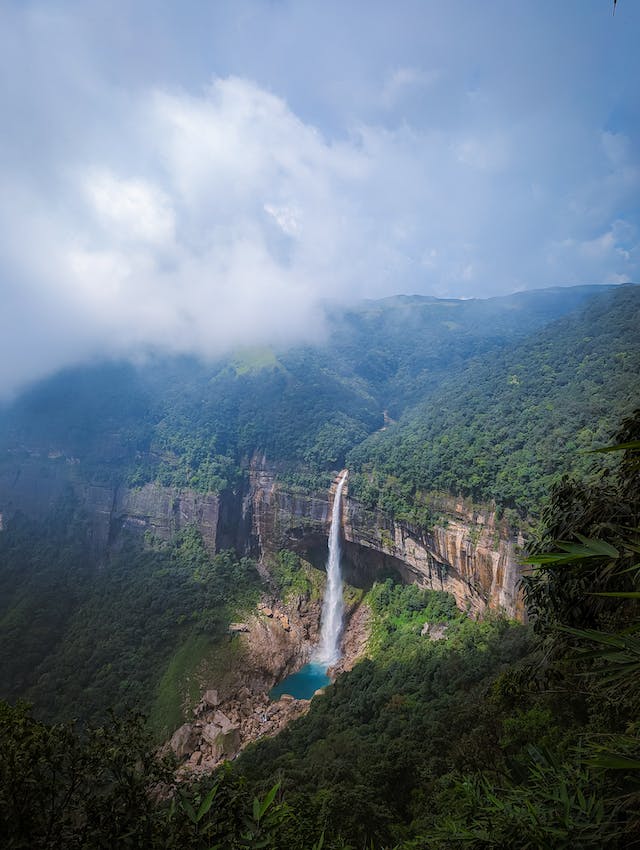
This is one of Meghalaya’s tallest waterfalls and just as spectacular. With its height of 1100 meters and located in Cherrapunji, the region with the highest rainfall globally, Nohkalikai Falls, has the tallest plunge fall in the nation and is spectacular throughout the year. There is a viewing gallery from where the tourists can take in the beauty of the falls. Even from far away, one can hear the falls roar.
Ideal Travel Period: November to February
10. Courtallam Waterfalls, Kanyakumari
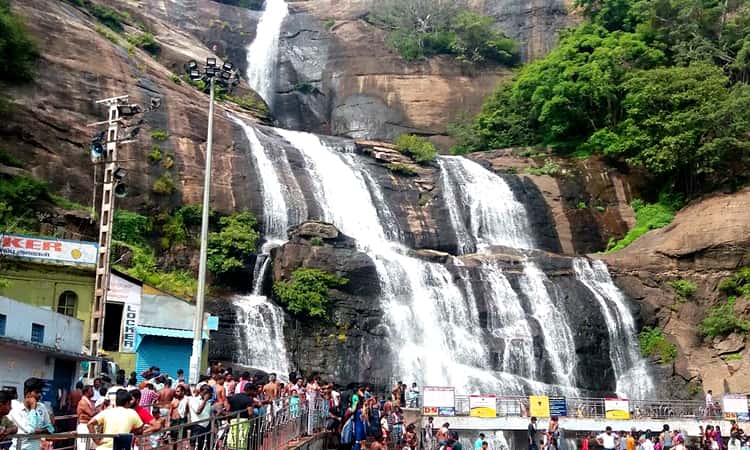
The Courtallam waterfall, the biggest in Tamil Nadu, is regarded as one of India’s greatest waterfalls. Falling into the river Chittar, the water descends from a massive height of 160 meters. Originating in the Western Ghats, it flows year-round beautifully and is a pleasure to witness in any season. As the biggest waterfall in the state, it provides a wide view that is best appreciated from a distance where you can see the waterfall at many levels right before your eyes.
Ideal Travel Period: July to March
11. Khandadhar Waterfall, Odisha
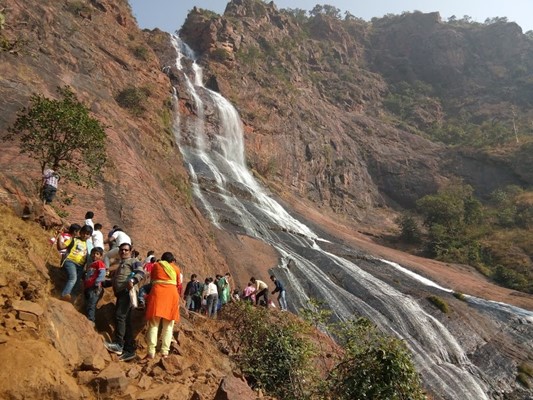
Are you still searching for India’s most exquisite waterfalls? The charm of Odisha’s Khandadhar Waterfalls will leave you in utter amazement. Nestled between soothing lush greens, the milky white clear falls descend in a single torrent from around 244 meters above the cliff. The captivating waterfall, the highest in the state, is the base of various treks.
Ideal Travel Period: October to February
12. Aharbal Waterfall, Kashmir
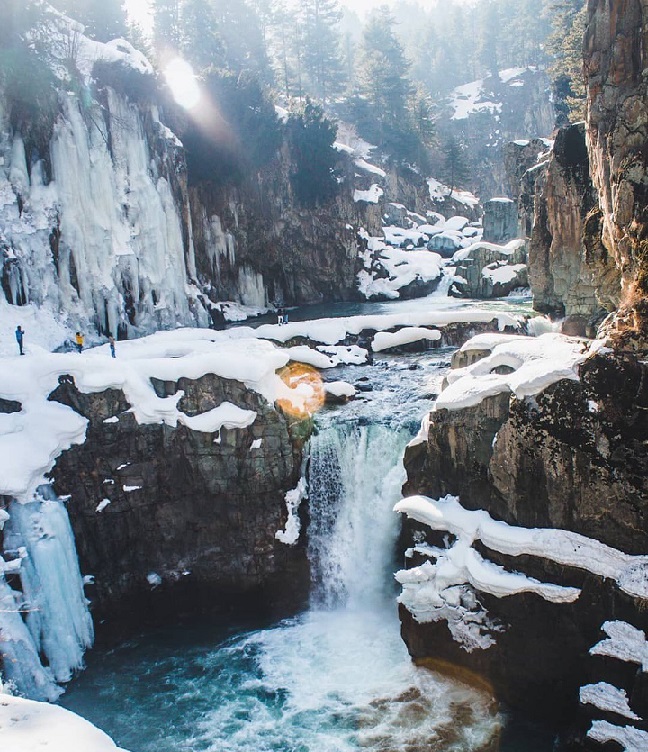
Among Kashmir’s most exquisite waterfalls is Aharbal Waterfall. In addition, it is the most accessible and is never packed with tourists. This breathtakingly lovely location is situated just 70 km from Srinagar but still has not received the attention that it deserves. The majority of visitors to Kashmir choose to visit places like Sonamarg, Gulmarg, and Pahalgam. However, Kashmir encompasses far more than these few names. There are many more locations with equally stunning views and among them is Aharbal. If Kashmir is on your bucket list, I would strongly advise you to include a day in your schedule to visit Aharbal.
Ideal Travel Period: April to October